Atrial fibrillation
Evaluation and treatment planning, including assessment of whether catheter-based treatment may be appropriate.

Cardiology · Cardiac electrophysiology
Cardiologist & Cardiac Electrophysiologist
Shanghai cardiologist and cardiac electrophysiologist specializing in atrial fibrillation, complex heart rhythm disorders and catheter ablation at SinoUnited Hospital.
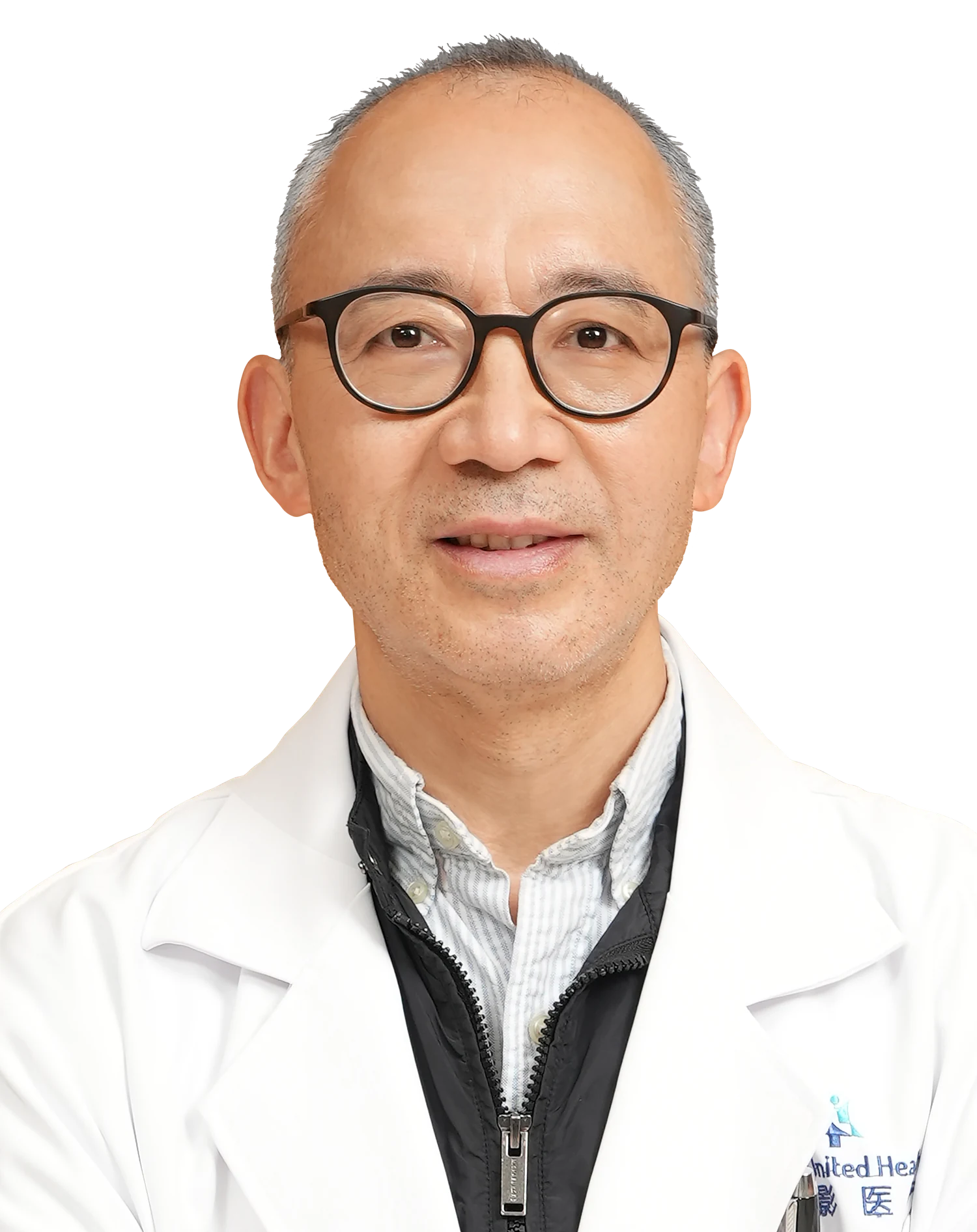
Understanding the specialty
A cardiac electrophysiologist focuses on the heart’s electrical system and disorders that affect its rhythm. A specialist review may help clarify the diagnosis, understand why symptoms recur, and decide whether monitoring, medication, a procedure, or another approach should be considered.
People are often referred after a diagnosis of atrial fibrillation, recurrent rapid or irregular heartbeat, unexplained palpitations, supraventricular tachycardia, symptoms despite medication, or a recommendation to discuss catheter ablation.
Areas of clinical focus
Each recommendation begins with the exact rhythm diagnosis and the individual patient’s clinical situation.
Evaluation and treatment planning, including assessment of whether catheter-based treatment may be appropriate.
Specialist evaluation of abnormal heart rhythms and recurrent rhythm disturbances.
Assessment focused on the electrical activity and rhythm of the heart.
Specialist assessment and catheter-based treatment for appropriate patients with certain arrhythmias.
Review when symptoms or abnormal rhythms persist or return after previous treatment.
Specialist perspective
The first question is not simply which procedure to perform. It is understanding the rhythm problem clearly and determining which treatment approach is appropriate for the individual patient.

Dr. Ouyang is an invited arrhythmia specialist at Shanghai SinoUnited Hospital. His clinical and academic career has centered on complex cardiac electrophysiology, including catheter ablation for atrial fibrillation and difficult atrial and ventricular arrhythmias.
For patients with a complex or recurrent rhythm disorder, specialist-level evaluation can help connect symptoms, previous ECG findings, medication history, and earlier procedures before the next step is planned.
After medical and cardiology training in China, including postgraduate study at Fuwai Hospital, he moved to Hamburg in 1995 for advanced electrophysiology training and clinical work. His professional background includes leading the Clinical Electrophysiology Laboratory at Asklepios Klinik St. Georg, one of Europe’s high-volume centers for complex ablation.
ChinaMedical and cardiology training, including postgraduate study at Fuwai Hospital
HamburgAdvanced electrophysiology work from 1995 and leadership at Asklepios Klinik St. Georg
ShanghaiInvited arrhythmia specialist at Shanghai SinoUnited Hospital
Academic profile
Across more than 220 manuscripts and papers, Dr. Ouyang’s academic work has addressed atrial fibrillation, pulmonary vein isolation and the mechanisms and ablation of complex atrial and ventricular tachycardias. His public Google Scholar profile provides the current publication list, citation record and co-author information.
 ↗
↗Professional record
Dr. Ouyang’s work has examined tachyarrhythmia mechanisms and the ablation of complex atrial and ventricular arrhythmias. Major themes include complete pulmonary vein isolation for atrial fibrillation, verapamil-sensitive left ventricular tachycardia, arrhythmias arising from the aortic sinuses and epicardial ventricular tachycardia.
He has published more than 220 manuscripts and papers, contributing to the clinical literature on atrial fibrillation, catheter technology and pulmonary vein isolation.
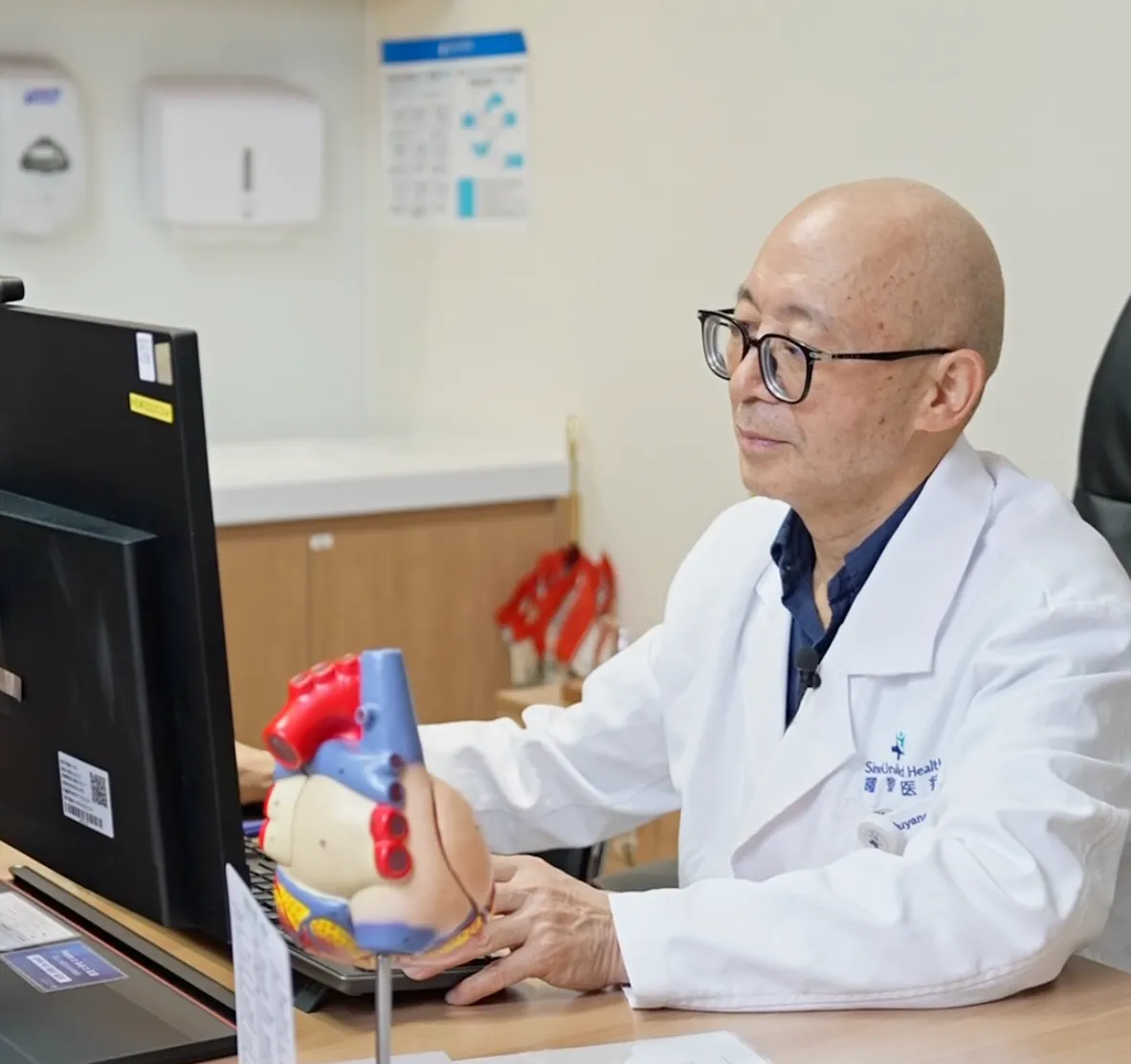
Atrial fibrillation
Atrial fibrillation, often called AFib, is an irregular heart rhythm that begins in the upper chambers of the heart. Some people notice palpitations, fatigue, shortness of breath, or reduced exercise tolerance; others have few or no obvious symptoms.
Proper assessment matters because symptoms, rhythm patterns, other health conditions, and treatment goals differ between patients. Depending on the case, care may involve monitoring, medication, management of relevant risk factors, or a procedure.
Catheter ablation may be considered for selected patients, but it is not automatically the right choice for everyone. A specialist consultation is used to review the diagnosis, prior treatment, potential benefits, and individual risks.
Read the atrial fibrillation guide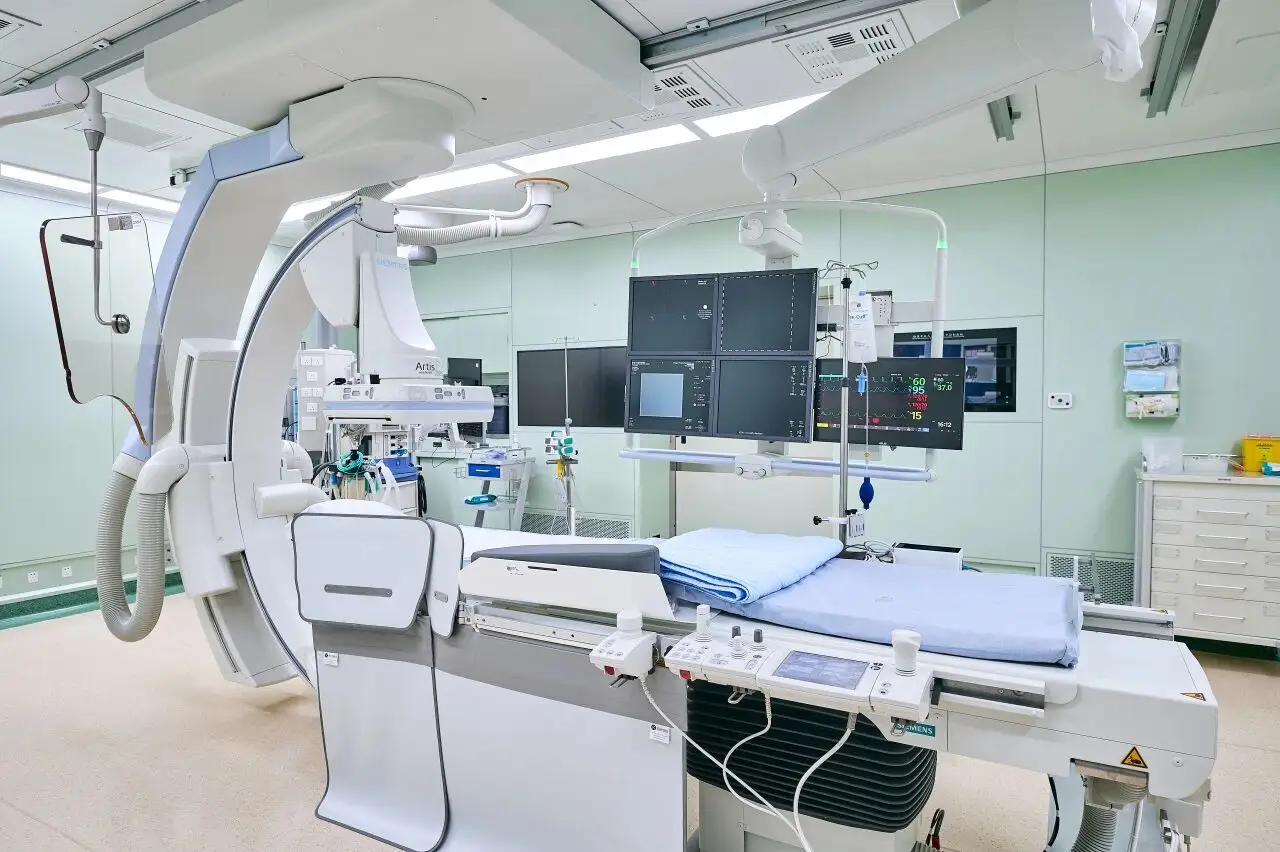
Patient guide
Catheter ablation is a minimally invasive procedure used for certain heart rhythm disorders. Thin catheters are guided through blood vessels to the heart, where carefully selected areas involved in abnormal electrical signals can be treated.
Whether ablation is appropriate depends on the exact diagnosis and the individual clinical situation. Evaluation may include a detailed medical history, ECGs and other rhythm recordings, medication history, imaging, and reports from earlier procedures.
Ask whether a specialist review is appropriateYour care pathway
A clear first step for local and international patients seeking a heart rhythm consultation.
Contact SinoUnited and provide available records such as ECGs, imaging, procedure reports, and medication history using the secure process provided by the care team.
The medical team reviews the available information and coordinates the appropriate consultation.
Further testing or treatment recommendations are made according to the individual case.
Care is coordinated according to the treatment plan and the patient’s clinical needs.
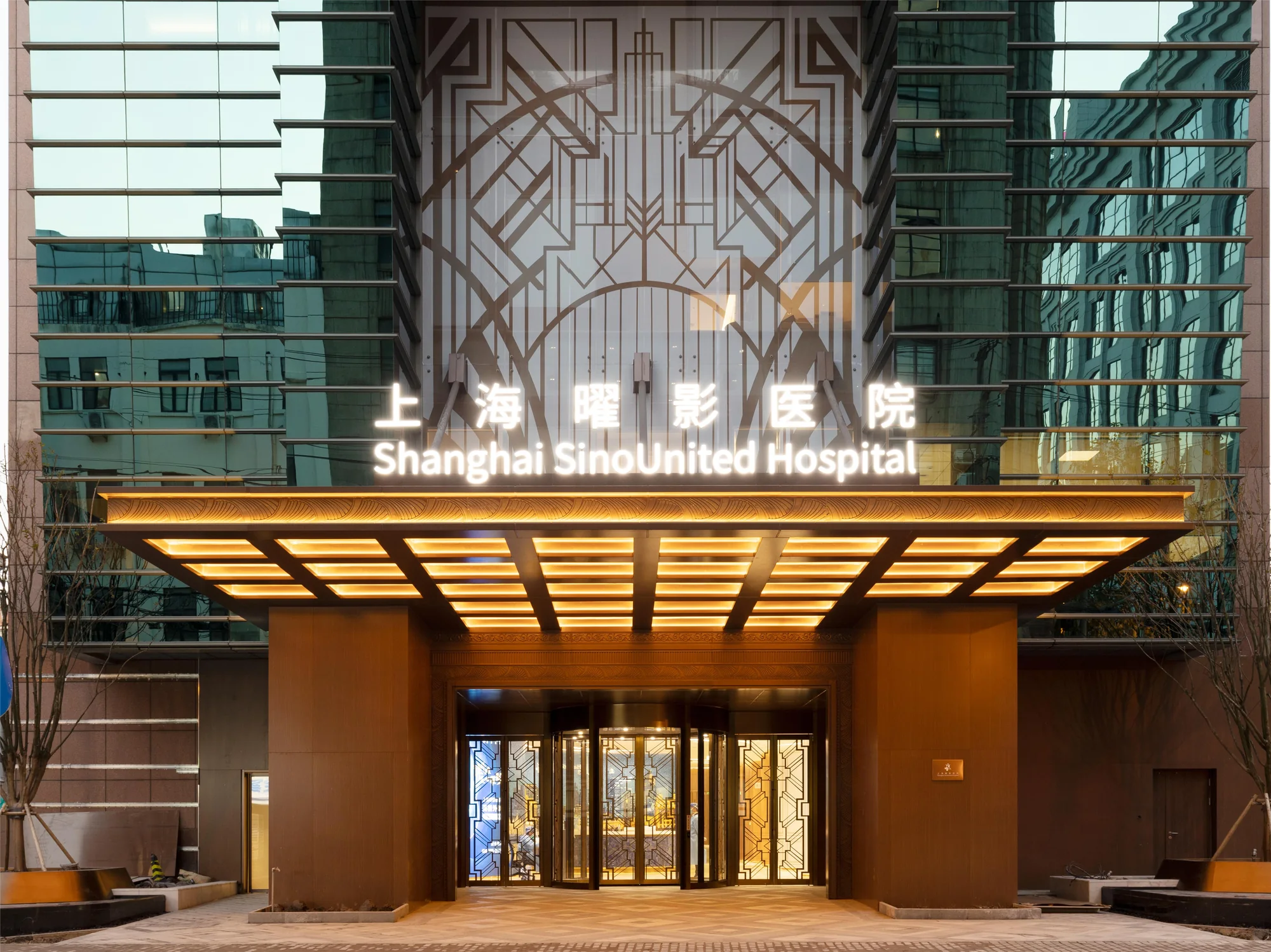
Shanghai SinoUnited Hospital
Consultations, diagnostic work and treatment planning are coordinated through Shanghai SinoUnited Hospital, with support for patients arriving from across China and abroad.



International patient support
Patients outside Shanghai can make an initial inquiry and ask how to transfer available medical records before travel. The SinoUnited team can coordinate the appointment, pre-arrival communication, navigation of the care process, and follow-up planning according to the case.
Do not send sensitive medical files by ordinary email until the team provides secure transfer instructions.Frequently asked questions
General information to help you prepare for a specialist consultation.
A cardiac electrophysiologist evaluates and treats disorders of the heart’s electrical system, including atrial fibrillation and other abnormal heart rhythms.
A general cardiologist may refer you when a rhythm disorder needs more focused evaluation, symptoms recur despite treatment, or catheter ablation is being considered.
Yes. Dr. Ouyang’s clinical focus includes atrial fibrillation and catheter ablation for appropriate patients.
It is a minimally invasive procedure that targets selected heart tissue involved in abnormal electrical signals. Suitability depends on the diagnosis and individual clinical situation.
No. Monitoring, medication, risk-factor management, procedures, or a combination may be considered. A specialist assessment is needed to discuss appropriate options.
Yes. International patients may contact SinoUnited to ask about a consultation and the process for sharing records before a visit.
Useful records may include ECGs or rhythm-monitoring reports, imaging, procedure reports, current and previous medications, and a concise medical history.
Dr. Ouyang provides specialist care through Shanghai SinoUnited Hospital in Shanghai, China. Contact the care team to confirm appointment arrangements.
Request specialist care
Contact SinoUnited Health to request a consultation with Dr. Feifan Ouyang or ask how your medical records can be shared securely before your visit.